Montana Tech students prepare to compete at 2026 Safety Olympics
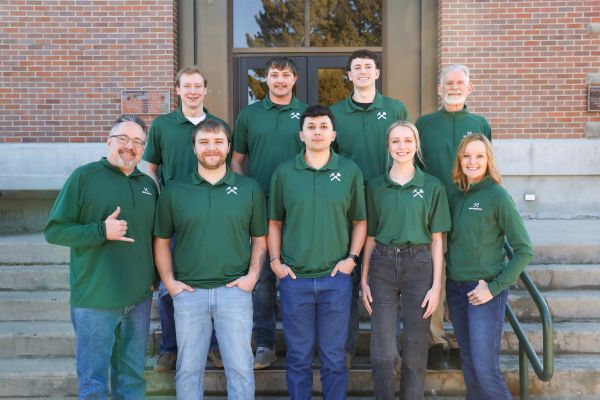
Montana Technological University occupational safety and health (OSH) students will put their classroom knowledge to the test later this month as they travel to the 2026 Safety Olympics, a national competition that challenges undergraduate safety students through a series of hands-on, real-world scenarios.
The Safety Olympics will take place February 26–27, 2026, at Southeastern Oklahoma State University, bringing together top safety programs from across the country. Montana Tech will compete against teams from Wisconsin–Whitewater, Central Missouri, Collin College, Oklahoma State, Pittsburg State, and the host institution.
Montana Tech’s team consists of Kaeden Daniels, Cooper Hofer, Morgan McClernan, Olivia Stillwagon, Layton Tucek, and Liamm Villasenor.They are coached by Associate Professor Lorri Birkenbuel, Professor Dr. David Gilkey, and Professor Dr. Dan Autenrieth.
The annual event evaluates students across multiple disciplines central to the safety profession, including hazard recognition, incident investigation, safety culture, and safety training, as well as a fast-paced Safety Jeopardy event based on the Associate Safety Professional exam.
“It’s been really exciting taking everything we’ve learned over the past four years and putting it into a competition,” senior Olivia Stillwagon, of Butte, said. “When we started practicing, it was one of those moments where you realize, ‘Wait — I can actually do this.’”
Senior Liamm Villasenor, of Anaconda, agreed, noting that preparation has been a team effort since the start of the spring semester. Students began practicing in mid-January, working closely with faculty to refine their approach to each event.
“Getting together as a team, going over what to expect, and learning how to compete has been exciting,” he said. “It’s been really fun.”
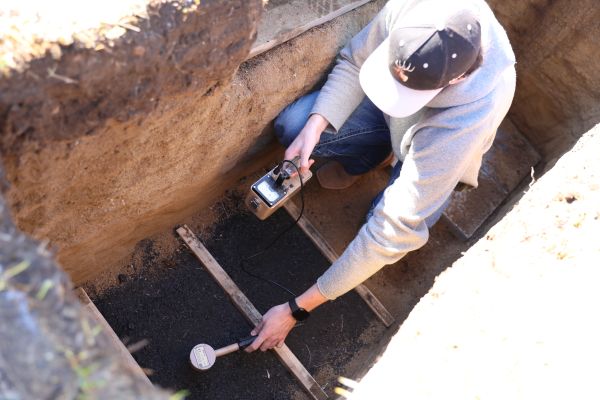
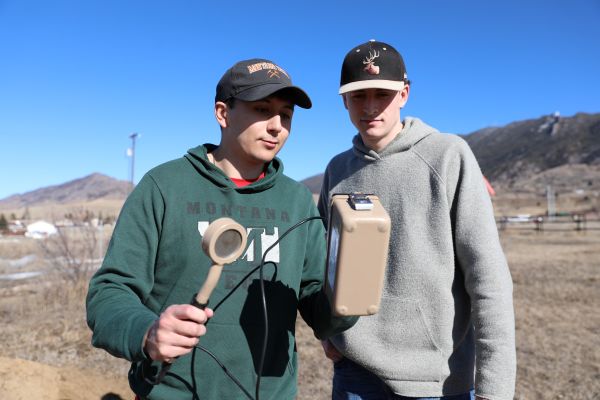
One of the signature components of the Safety Olympics is a research and safety innovation project, which changes each year. For 2026, Montana Tech students are focusing on whether biochar could be used beneath home foundations to reduce radon infiltration — a topic with particular relevance in Montana, where radon exposure is a known public health concern.
Radon is a naturally occurring radioactive gas produced by the decay of uranium in the earth. Because it does not bind easily with other elements, it can seep into homes and accumulate in basements, where long-term exposure has been linked to lung cancer.
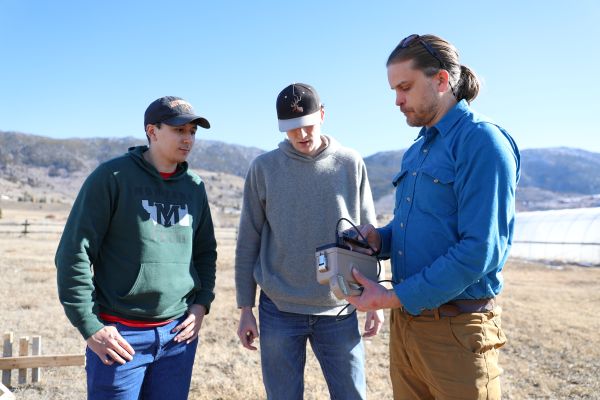
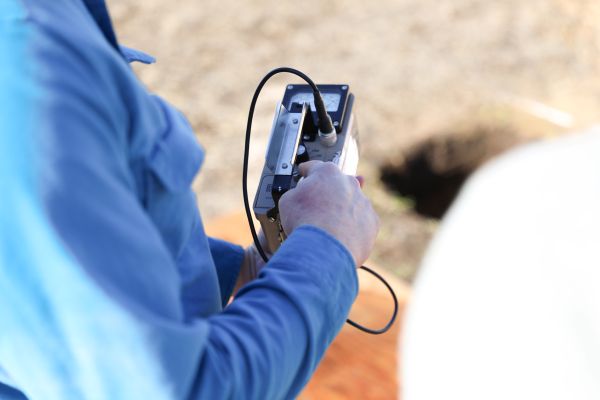
Students are reviewing existing research, collecting field measurements, and preparing a professional presentation explaining how biochar’s structure may help trap radon before it enters a building.
“It’s a great example of how safety isn’t just about regulations — it’s about problem-solving and innovation,” Autenrieth explained.
In addition to research, students will be challenged to demonstrate skills they’ve developed through coursework and internships. Events include investigating simulated incidents, identifying hazards in a virtual reality workspace, and delivering a complete safety training presentation — from topic selection to delivery — in just one hour.
“They literally pull a topic out of a hat and have to build and present a training,” Birkenbuel said. “It could be anything from fire protection to hearing conservation. It really mirrors what they’ll face in the workforce.”
Montana Tech has a strong history at the Safety Olympics, including past first- and third-place finishes. Faculty say success often comes down to teamwork, preparation, and how well students work together under pressure.
“When teams bond well, they tend to perform very well,” Birkenbuel said. “This group is strong, and I’m excited to see how they compete.”
Beyond trophies, the event offers significant professional opportunities. Industry professionals serve as judges, and an Occupational Safety and Health Career Fair will give students the chance to network directly with employers.
“In the past, we’ve had students receive job offers while they were there — without even asking,” Birkenbuel said. “It really showcases our students and our program.”
Montana Tech’s Safety Olympics team is supported by industry partners, including Granite Construction, the team’s primary sponsor. The department is also accepting donations through the Montana Tech Foundation to help support student travel and competition costs. To contribute, click here.
As students finalize preparations, they say the experience is about more than competition.
“It’s a national stage,” Stillwagon said. “It’s a chance to show that we really do know what we’re doing.”